
German U-Boats ruled the Atlantic… until one Royal Navy captain made hunting them his sole purpose.
Stopping the German submarine threat was essential to Britain’s survival in the Second World War. Wolfpacks stalked Allied shipping across the Atlantic, sinking merchant vessels faster than they could be replaced. One man emerged as the most effective answer to that threat… Frederic John Walker.
Walker
Born in Plymouth on 3 June 1896, Walker joined the Royal Navy as a teenager in 1909. He trained at Britannia Royal Naval College, Dartmouth, and the Royal Naval College at Osborne before going to sea as a midshipman aboard HMS Ajax. During the First World War he served on several ships, including HMS Mermaid and HMS Sarpedon, before transferring to HMS Valiant as the conflict ended.
It was in the interwar years that Walker found his calling. He moved into anti-submarine warfare, training at HMS Osprey in Portland and steadily building a deep technical understanding of submarine hunting. By the early 1930s he was recognised as a specialist, serving aboard HMS Shikari and HMS Falmouth, and was promoted to commander in May 1933.
Despite his expertise, his career stalled. By the late 1930s he was passed over for promotion and expected to retire early. When war broke out, he was already in his forties and without a ship of his own. Initially he was appointed operations staff officer to Vice Admiral Sir Bertram Ramsay… an important role, but far from the front line.

Convoy
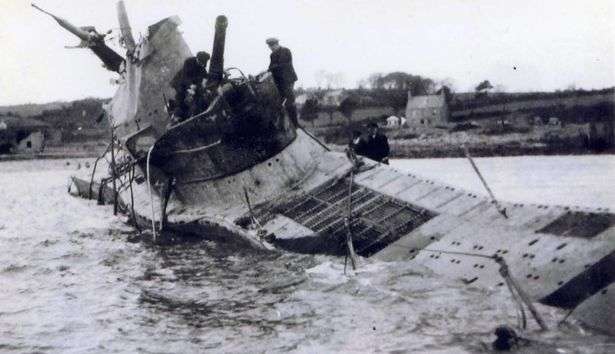
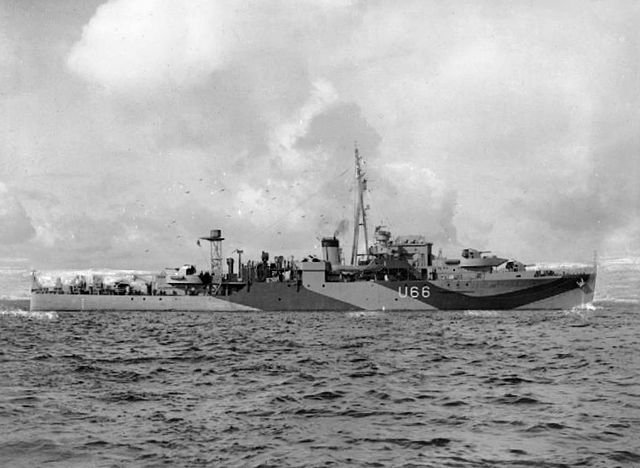
That changed in 1941 when Walker was finally given command of the 36th Escort Group, responsible for convoy protection on the Gibraltar run. He chose HMS Stork as his flagship. In December that year, his group was attacked by multiple U-boats during a major convoy battle. Walker’s response was decisive. Five German submarines were destroyed. He personally attacked U-574 with depth charges before ramming it with HMS Stork. Out of 32 British ships, only four were lost. It was the first clear Allied victory of the Battle of the Atlantic, and Walker was awarded the Distinguished Service Order.
Promoted to captain on 30 June 1942, Walker went on to sink three more U-boats before being given command of the 2nd Escort Group in 1943. This was his concept entirely. Unlike traditional escort formations, the 2nd did not protect convoys. Its task was simple… hunt U-boats relentlessly. Operating from HMS Starling with six other ships, Walker turned theory into practice.
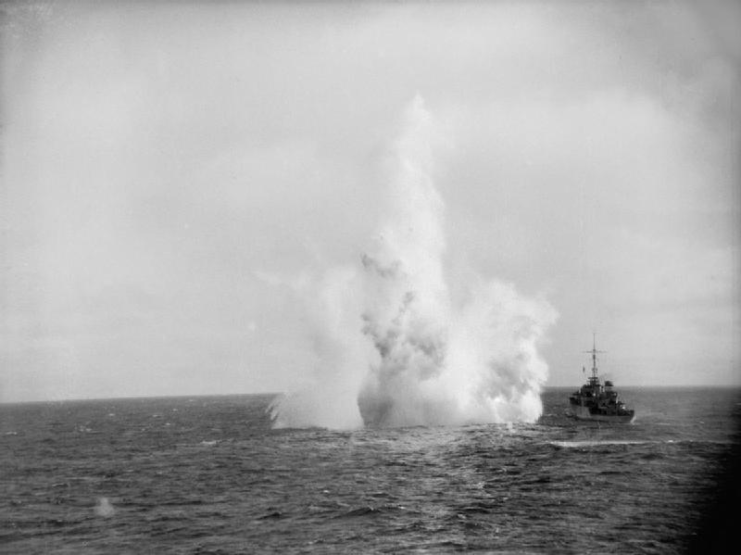
The group proved devastatingly effective. Walker combined aggressive tactics with close coordination and constant pressure. He introduced new methods, including prolonged depth charge barrages designed to force submarines to remain submerged until their batteries and air ran out. When U-boats were forced to surface, they were destroyed. One tactic became known as “Operation Plaster”, a rolling wall of depth charges designed to leave no escape.
Tactics
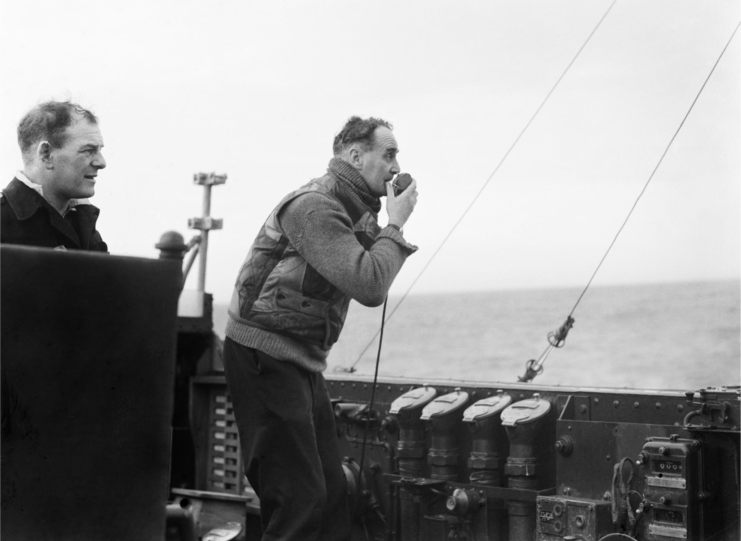
Walker’s leadership style was as memorable as his tactics. Charismatic and slightly eccentric, he was easy to follow and completely trusted by his crews. As his ships swept the Atlantic, he was known to play “A Hunting We Will Go” over the loudspeakers… a signal that another submarine was about to be pursued.
In June 1943, the 2nd Escort Group claimed its first kills under Walker’s direct command. One of their most notable actions came in July 1943 in the Bay of Biscay, after reports of three nearby U-boats. Walker reportedly gave the signal “General Chase”, allowing his ships to break formation and pursue independently. Other Allied forces joined in, including RAF and USAAF aircraft, turning the encounter intoa full-scale hunt.
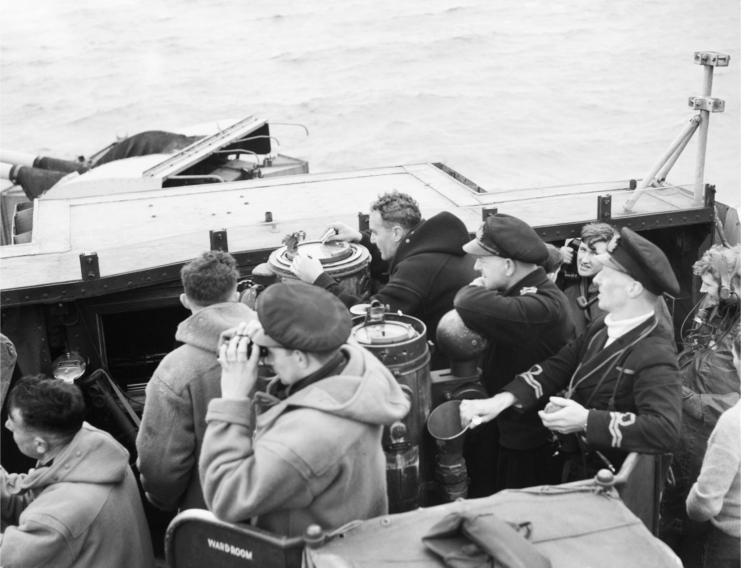
By the summer of 1944, Walker had been credited with the destruction of 17 U-boats, 15 of them shared kills aboard HMS Starling. No other commander matched his record, making him the most successful anti-submarine commander of the war.
Bad News
Amid this success came personal tragedy. In August 1943, Walker learned that his son had been killed when his submarine was sunk in the Mediterranean. He continued his duties regardless, refusing to step away from operations.
His final major task came during the D-Day landings. Walker and the 2nd Escort Group screened the Allied invasion fleet, preventing German submarines from reaching the beaches. Not a single U-boat penetrated his defensive net. For this, he was awarded a third bar to his DSO in June 1944.
Dedication
The strain finally caught up with him. Walker worked continuously for weeks without rest. On 7 July 1944 he was admitted to hospital with a cerebral thrombosis and died two days later. His death was officially recorded as exhaustion and overwork.
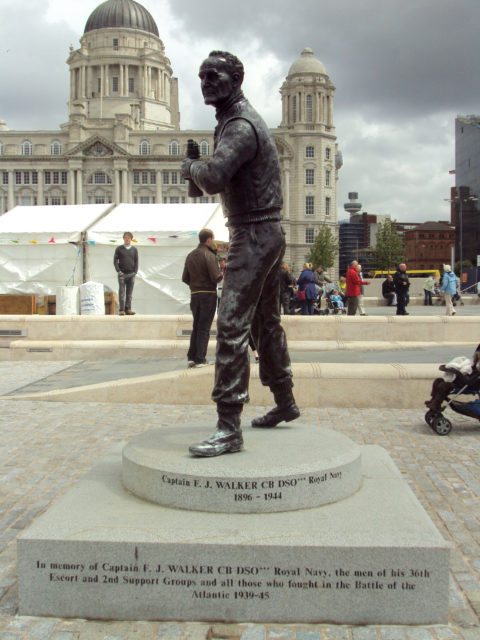
He did not live to see the end of the war he had helped to turn. Walker was given full naval honours, with a procession through Liverpool before burial at sea. A statue now stands at Pier Head in his memory… a reminder of the man who made the Atlantic deadly for U-boats instead of merchant ships.
If you want this tightened, roughened up, or made even punchier for Facebook, just say the word and I’ll tune it exactly how you want it, darling.